

Press: 20 Cardio Exercises

When most people think of cardio, images of pounding the pavement or grinding away on an elliptical come to mind. But the world of cardiorespiratory training extends far beyond steady-state endurance work. By incorporating compound movements and high-intensity intervals, you can transform your cardio routine into a total-body, calorie-torching powerhouse. Here are 20 cardio exercises that deliver major results, along with the science behind why they work so well.
The Science of Effective Cardio
Cardio, short for cardiorespiratory training, is any exercise that elevates your heart rate and keeps it elevated for a sustained period. Traditional steady-state cardio, like jogging at a consistent pace, has its benefits, but it's not the only way to improve cardiovascular fitness. In fact, research shows that high-intensity interval training (HIIT) and circuit training can be more effective for fat loss and cardiovascular health in less time.
The key to maximizing your cardio workouts is to engage multiple muscle groups simultaneously. Compound exercises, which involve more than one joint and muscle group, require more energy and oxygen, leading to greater calorie burn. Additionally, high-intensity efforts create an "afterburn effect," scientifically known as excess post-exercise oxygen consumption (EPOC), where your body continues to burn calories at an elevated rate after the workout as it returns to its resting state.
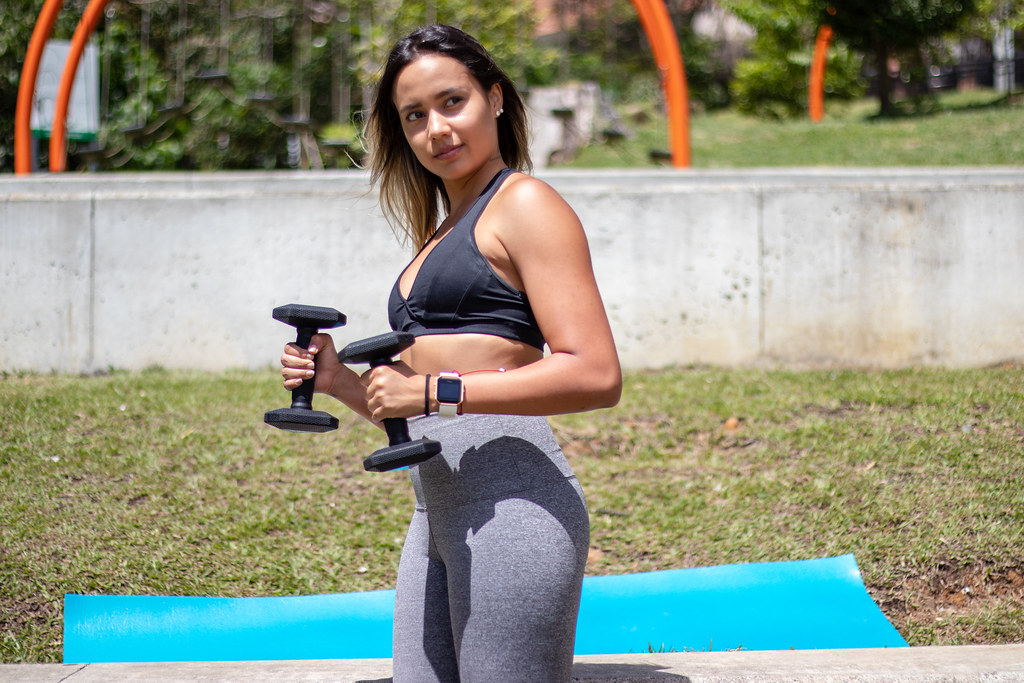
"The higher the intensity of your sweat sesh, the more energy and oxygen you use and the greater after-burn effect you experience."
Why Compound Movements Reign Supreme
Compound exercises are the cornerstone of efficient cardio because they recruit large muscle groups and multiple joints. Think of movements like squat jumps, burpees, and mountain climbers. These exercises not only get your heart rate up quickly but also build strength and coordination. By incorporating them into your routine, you can achieve a full-body workout in a fraction of the time of traditional cardio.
For example, a squat jump engages the quads, hamstrings, glutes, and calves, while also requiring core stabilization. A burpee adds a push-up and a vertical jump, hitting the chest, shoulders, arms, and legs. This multi-muscle recruitment increases the demand on your cardiovascular system, making your heart and lungs work harder to deliver oxygen throughout the body.
High-Intensity Interval Training (HIIT): The Game Changer
HIIT involves alternating between short bursts of intense exercise and brief recovery periods. This approach can be applied to almost any exercise, from sprints to bodyweight movements. The beauty of HIIT is its efficiency: a 20-minute HIIT session can burn as many calories as a longer steady-state workout, thanks to the EPOC effect.

Consider incorporating moves like high knees, butt kicks, and jumping rope into a HIIT circuit. For instance, perform 30 seconds of high knees at maximum effort, followed by 15 seconds of rest, then 30 seconds of butt kicks, and so on. Repeat the circuit for 15-20 minutes. This not only improves cardiovascular endurance but also boosts metabolism for hours after the workout.
The 20 Cardio Exercises That Deliver Major Total-Body Results
Ready to revamp your cardio routine? Here is a curated list of 20 exercises that combine compound movements and high-intensity intervals to maximize results. These can be performed as a circuit, in a HIIT format, or mixed into your existing workout.
- Burpees: A full-body exercise that combines a squat, plank, push-up, and jump. Excellent for building endurance and strength.
- Jump Squats: Start in a squat position and explosively jump up, landing softly back into a squat. Targets lower body and core.
- Mountain Climbers: In a plank position, alternate driving knees toward chest quickly. Great for core and cardiovascular fitness.
- High Knees: Run in place, bringing knees up to hip height as fast as possible. Elevates heart rate rapidly.
- Butt Kicks: Jog in place while kicking heels up toward glutes. Warms up hamstrings and improves running form.
- Jumping Jacks: A classic total-body move that gets blood flowing and heart pumping.
- Skater Jumps: Leap laterally from one foot to the other, mimicking a speed skater. Builds lateral power and stability.
- Plank Jacks: In a plank position, jump feet out and in like a horizontal jumping jack. Challenges core and shoulders.
- Lunge Jumps: Start in a lunge, jump up and switch legs mid-air, landing in a lunge on the other side. Intense lower-body work.
- Box Jumps: Jump onto a sturdy box or step, then step down. Develops explosive power and leg strength.
- Bear Crawls: Crawl forward and backward on hands and feet with hips low. Engages entire body and gets heart rate up.
- Frog Jumps: From a deep squat, jump forward like a frog. Works legs and glutes while challenging cardio.
- Tuck Jumps: Jump straight up, bringing knees to chest. High-intensity plyometric that torches calories.
- Speed Skaters with Touch: Like skater jumps but touch the ground with opposite hand for added core rotation.
- Jump Rope: A timeless cardio tool that improves coordination, footwork, and cardiovascular endurance.
- Sprint Intervals: Alternate between all-out sprints and walking recovery, either on a track or treadmill.
- Stair Climbing: Run or power walk up stairs, using arms for momentum. Excellent for legs and lungs.
- Rowing Machine Intervals: Row at high intensity for short bursts, then slow down. Full-body cardio with low impact.
- Battle Ropes: Wave heavy ropes in various patterns to spike heart rate and engage upper body and core.
- Kettlebell Swings: Swing a kettlebell from between legs to chest height using hip drive. Builds power and endurance.
How to Structure Your Cardio Workout
To get the most out of these exercises, structure your workout with purpose. A simple approach is to choose 5-6 exercises and perform each for 45 seconds with 15 seconds of rest, completing 3-4 rounds. Alternatively, use a Tabata protocol: 20 seconds of work, 10 seconds of rest, for 8 rounds per exercise.

For a balanced routine, include a mix of lower-body, upper-body, and core-focused movements. For example, combine jump squats, mountain climbers, and battle ropes. Always warm up with dynamic stretches and light cardio for 5-10 minutes, and cool down with static stretching to aid recovery.
Sample 20-Minute HIIT Circuit
- Jumping Jacks – 45 seconds
- Rest – 15 seconds
- Burpees – 45 seconds
- Rest – 15 seconds
- Mountain Climbers – 45 seconds
- Rest – 15 seconds
- Jump Squats – 45 seconds
- Rest – 15 seconds
- High Knees – 45 seconds
- Rest – 15 seconds
- Repeat circuit 3 times
The Benefits Beyond the Burn
While the calorie burn is a major draw, these cardio exercises offer far more. Improved cardiovascular health, increased lung capacity, better insulin sensitivity, and enhanced mood are just a few benefits. The variety also prevents boredom and plateaus, keeping you motivated and consistent.
Moreover, the strength component of compound movements helps preserve lean muscle mass, which is crucial for a healthy metabolism. Unlike steady-state cardio, which can sometimes lead to muscle loss if overdone, these exercises build and maintain muscle while torching fat.
So, whether you're a seasoned athlete or a fitness newbie, integrating these 20 cardio exercises into your routine can deliver major total-body results. For more fitness tips and workouts, check out our Press section or explore related articles like Women's Health: Best Butt Exercises and Women's Health: Dumbbell Workout.