
Women's Health: Cardio Exercises
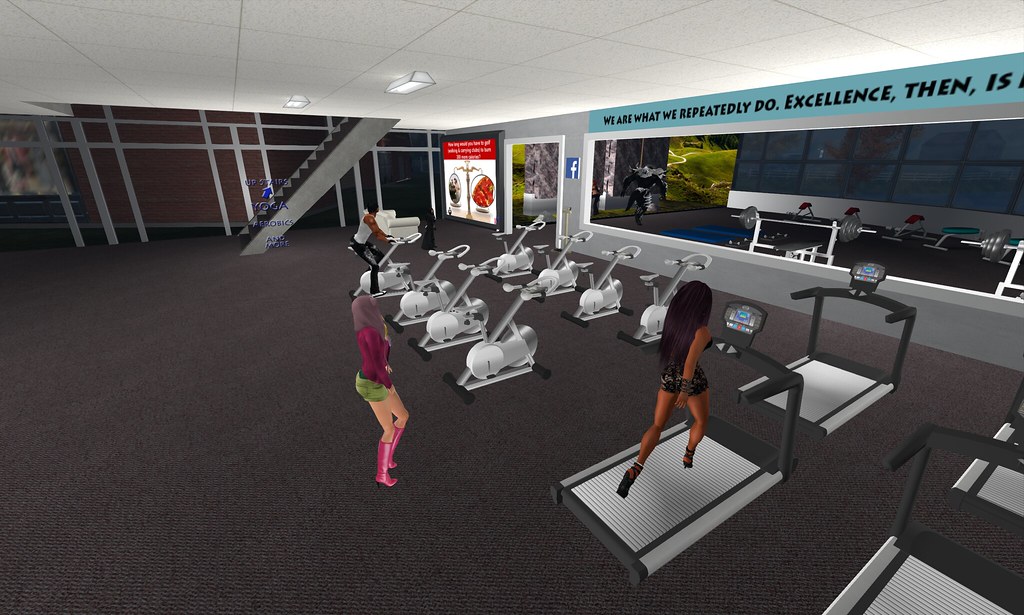
When most people hear the word “cardio,” they immediately picture lacing up running shoes or hopping on a treadmill. But cardiovascular exercise is far more diverse—and far more effective—when you step beyond the familiar machines and repetitive motions. By incorporating total-body movements that challenge your heart, lungs, and muscles simultaneously, you can burn more calories, build functional strength, and keep your workouts engaging for the long haul.
Why Total-Body Cardio Beats Traditional Steady-State
Traditional steady-state cardio, like jogging at a constant pace, certainly has its place in a fitness routine. It builds aerobic endurance, supports heart health, and can be meditative. However, it often neglects the upper body and core, and it can become monotonous, leading to plateaus and boredom. Total-body cardio exercises, on the other hand, recruit multiple large muscle groups at once, which forces your cardiovascular system to work harder to deliver oxygen everywhere it’s needed.
This increased demand translates to a higher calorie burn per minute compared to isolated exercises. Moreover, because you’re moving your arms, legs, and torso together, you improve coordination, balance, and overall athleticism. The variety also keeps your mind engaged, making it easier to stick with a program long-term. Whether your goal is fat loss, improved stamina, or simply feeling more energetic, total-body cardio delivers results that steady-state work alone often cannot.
“The best cardio is the one you’ll actually do—and total-body moves make it hard to get bored.”
The Science of Full-Body Cardiovascular Training
When you perform an exercise that engages both upper and lower body simultaneously—like a squat with an overhead press or a mountain climber—your heart must pump blood to a larger percentage of your muscle mass. This increases your cardiac output and elevates your heart rate more quickly than lower-body-only activities. Over time, this improves your VO2 max, a key marker of cardiovascular fitness, and enhances your body’s ability to utilize oxygen efficiently.
Additionally, total-body movements often involve a greater range of motion and require more core stabilization. This not only burns more calories during the workout but also triggers a higher excess post-exercise oxygen consumption (EPOC), commonly known as the “afterburn” effect. In practical terms, you keep burning calories at an elevated rate even after you’ve finished exercising. For busy women looking to maximize their time, this makes total-body cardio an incredibly efficient choice.
20 Cardio Exercises for Total-Body Results
The following exercises can be performed as a circuit, in intervals, or incorporated into your existing routine. They require minimal equipment—many use just your body weight—and can be modified for any fitness level. Aim for 30–60 seconds of work followed by 15–30 seconds of rest, and repeat the circuit 3–5 times for a complete workout.
- Burpees: The ultimate full-body move, combining a squat, plank, push-up, and jump.
- Mountain Climbers: A plank position with alternating knee drives that spikes the heart rate.
- Jumping Jacks: A classic that engages arms, legs, and core while improving coordination.
- Squat Jumps: Explosive lower-body power with a cardiovascular challenge.
- Lunge Jumps: Alternating lunges with a plyometric jump between reps.
- High Knees: Running in place with exaggerated knee lift to engage the core.
- Butt Kickers: Jogging in place while kicking heels toward glutes to activate hamstrings.
- Skater Hops: Lateral jumps that mimic a speed skater’s motion, targeting glutes and quads.
- Plank Jacks: A plank with jumping feet, combining core stability with cardio.
- Bear Crawls: Crawling on hands and feet, keeping hips low, for a full-body burn.
- Crab Walks: Facing upward, walking on hands and feet to challenge shoulders, core, and legs.
- Inchworms: Walk hands out to a plank, then walk feet in, stretching and strengthening.
- Froggers: From a plank, jump feet outside hands, then back, like a frog.
- Shadow Boxing: Punching combinations with footwork for upper-body cardio and coordination.
- Jump Rope: A portable, high-intensity full-body workout that improves agility.
- Rowing Machine: If available, a low-impact option that engages legs, back, and arms.
- Kettlebell Swings: A hip-hinge movement that builds power and elevates heart rate.
- Medicine Ball Slams: Overhead throws to the ground, engaging the entire posterior chain.
- Battle Ropes: Waves and slams that torch the upper body and core while challenging endurance.
- Stair Climbing with Arm Drive: Using stairs or a step, pump arms vigorously while climbing.
How to Structure a Total-Body Cardio Workout
For a time-efficient session, choose 5–7 exercises from the list above and perform them in a circuit format. For example, start with 45 seconds of burpees, rest 15 seconds, then move to mountain climbers, followed by squat jumps, skater hops, and plank jacks. Complete 3–5 rounds, resting 60–90 seconds between rounds. This approach keeps intensity high and works every major muscle group.
If you prefer interval training, alternate 30 seconds of all-out effort with 60 seconds of active recovery (like marching in place or light jogging). Repeat for 15–20 minutes. You can also mix total-body cardio with strength training by performing a strength exercise (e.g., dumbbell rows) followed immediately by a cardio burst (e.g., high knees). This combination enhances both muscular endurance and cardiovascular fitness. For more ideas on integrating strength work, check out our guide on dumbbell workouts.
Common Mistakes and How to Avoid Them
One frequent error is sacrificing form for speed. When you rush through movements like burpees or mountain climbers, you risk injury and reduce effectiveness. Focus on controlled, full-range motions, even if it means doing fewer reps. Another mistake is neglecting the warm-up. Total-body cardio is demanding; spend at least 5 minutes doing dynamic stretches and light movement to prepare your joints and raise your core temperature.

Overtraining is also a concern. Because these exercises are high-impact and high-intensity, they can tax your central nervous system. Limit total-body cardio sessions to 3–4 times per week, and allow at least one rest day between hard sessions. Listen to your body—if you feel sharp pain, unusual fatigue, or dizziness, stop and reassess. Finally, don’t forget to cool down and stretch, focusing on the hips, hamstrings, shoulders, and lower back.
Progressing Your Total-Body Cardio Routine
As your fitness improves, you’ll need to increase the challenge to continue seeing results. You can do this by adding more rounds, shortening rest periods, increasing the duration of work intervals, or choosing more advanced variations. For example, progress from regular squat jumps to tuck jumps, or from mountain climbers to cross-body mountain climbers. Adding light weights, like holding dumbbells during lunges or wearing a weighted vest, can also intensify the workout.
Tracking your progress is motivating and helps you set realistic goals. Record the number of rounds completed, the time it took, or how you felt during the session. Over weeks, you should notice improvements in endurance, strength, and recovery time. For a complementary focus on lower-body strength, explore our article on best butt exercises or target specific areas with inner thigh exercises.
Final Thoughts: Making Cardio Work for You
Total-body cardio exercises offer a powerful way to improve your heart health, burn calories, and build functional strength—all while keeping your workouts fresh and engaging. By moving beyond the treadmill and embracing dynamic, multi-joint movements, you can achieve more in less time and enjoy the process along the way. Remember that consistency matters more than perfection; even 15–20 minutes a few times a week can yield significant benefits.
Whether you’re a beginner starting with modified jumping jacks or an advanced athlete tackling burpee variations, there’s a total-body cardio option for you. Mix and match the exercises, listen to your body, and celebrate small victories. For more fitness inspiration and expert advice, visit our Press section or read the original feature on 20 cardio exercises that deliver major total-body results.